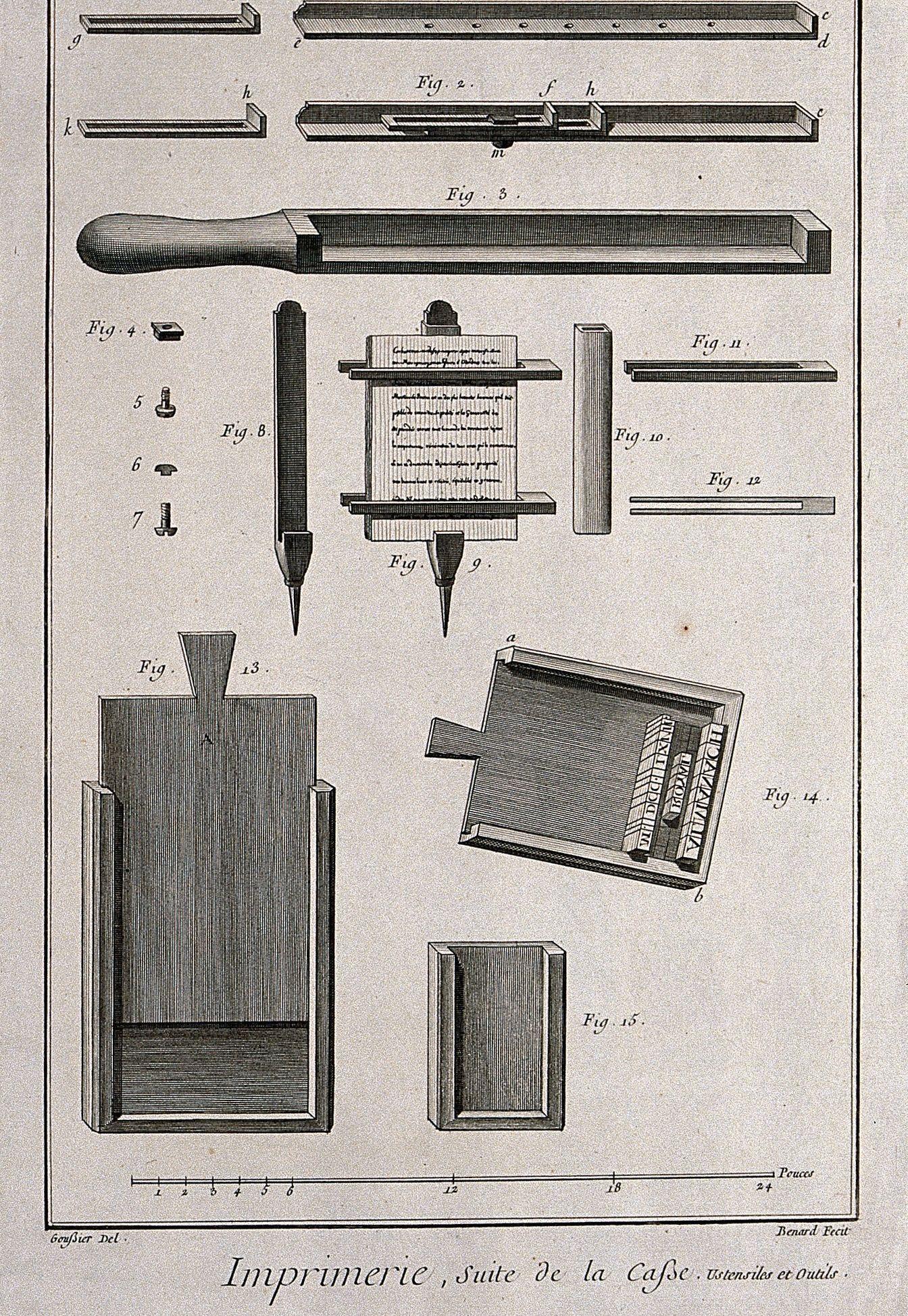
The Tryal of John Peter Zenger
Liberty; a natural right, a bulwark against tyranny, the freedom to remonstrate against the abuses of power.
Long before the type was set on the Declaration of Independence, these ideals filled the defense of a New York printer, John Peter Zenger, delivered by his Philadelphia lawyer, Andrew Hamilton, against charges of seditious libel.
It was the summer of 1735, and Zenger was under arrest for printing articles in his newspaper, the New-York Weekly Journal, that satirized New York’s colonial governor, William Cosby. Zenger had set up the New-York Weekly Journal with the help of Lewis Morris and his associates. Morris was a New York Chief Judge, who had been dismissed by Cosby when he did not decide in his favor in Crosby v. Van Dam.
Cosby wanted to make an example of Zenger. In 1734, Cosby was unable to get two grand juries to indict Zenger for seditious libel. Cosby had also been thwarted when he tried to get Zenger’s newspapers burned by the public hangman. So, Cosby moved against Zenger through an “information” that allowed the government to bypass a grand jury.
Zenger was thrown in jail in the fall of 1734, with a heavy bail he couldn’t pay. Cosby hoped that imprisoning Zenger would stop the paper, but Zenger’s wife, Anna, and his apprentices kept the press running and championing his cause.
Following further legal shenanigans in 1735, Zenger’s case was finally heard in court in August 1735 with the well-known Philadelphia lawyer, Andrew Hamilton, providing his defense. According to British law, in a seditious libel case, it did not matter if the printed content was true or not. It only mattered if the content proved to be a malicious defamation, which Cosby affirmed it did. The jury’s only job was to decide if the defendant printed the content or not.
Hamilton surprised the prosecution by stating that Zenger did print the offending articles, which should have ended the legal argument. But Hamilton when on to deliver a passionate plea to the men on the jury to assert their rights, to stand for liberty, to remonstrate against the government’s abuses of power, to provide a bulwark against lawless power, and to find Zenger not guilty.
Which they did.
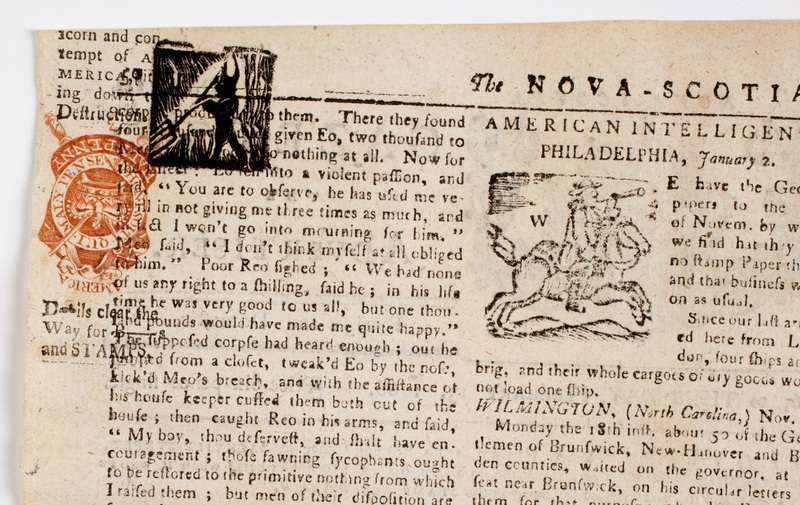
In 1738, Zenger printed his own pamphlet “The Tryal of John Peter Zenger, of New-York, Printer, Who was lately Try’d and Acquitted for Printing and Publishing a Libel against the Government.” While his case did not set a legal precedent, historian Allison Olson found an increase in political satire following the Zenger trial.
Lewis Morris, the New York Chief Judge removed by Cosby, was the great-grandfather of Gouverneur Morris, an important contributor to the U.S. Constitution as a delegate from Pennsylvania. Gouverneur Morris called the Zenger case a germ of American freedom. Of course, the freedom of the press, protected under the first amendment of the Constitution, would be tested under the Sedition Act of 1798.
But more on that in a future post.
Resources:
Anon. “Crown v. John Peter Zenger, 1735.” Historical Society of the New York Courts Website. https://history.nycourts.gov/case/crown-v-zenger/. Accessed July 20, 2026.
Hoffer, Peter Charles, and Williamjames Hull Hoffer. “‘The Worst Instrument of Arbitrary Power.’” The Clamor of Lawyers: The American Revolution and Crisis in the Legal Profession Cornell University Press, 2018, pp. 16–39.
Linder, Douglas O. “The Trial of John Peter Zenger: An Account.” Famous Trials Website. https://www.famous-trials.com/zenger/87-home. Accessed July 20, 2026.
Olson, Alison. “The Zenger Case Revisited: Satire, Sedition and Political Debate in Eighteenth Century America.” Early American Literature, vol. 35, no. 3, 2000, pp. 223–45.